Hydroponic Fruit Varieties: Which Is Best For You?

Key Takeaways
- Strawberries are the most beginner-friendly hydroponic fruit, thriving in NFT and tower systems with minimal maintenance requirements
- Cherry tomatoes offer the highest yield-to-space ratio among hydroponic fruits, producing harvests up to 30% larger than soil-grown varieties
- Compact berries like raspberries and blackberries can be successfully grown hydroponically, but require specific pH and nutrient conditions
- Fork Farms hydroponic systems provide the perfect environment for growing fruits year-round without soil, pests or weather concerns
- Exotic fruits like dwarf bananas and fig trees are possible in hydroponics, but require larger systems and more technical expertise
Imagine plucking sweet, juicy strawberries from your indoor garden in the dead of winter. That’s the reality of hydroponic fruit growing – a soil-free method that’s revolutionizing how we think about home gardening. Whether you have a spacious basement or just a sunny kitchen corner, there’s a hydroponic fruit variety perfect for your setup.
Growing fruits without soil might sound like science fiction, but Fork Farms has made this accessible to everyone with systems designed for maximum yield in minimal space. Their hydroponic solutions deliver nutrients directly to plant roots, eliminating many of the challenges traditional gardeners face while producing healthier, more abundant harvests.
Quick Guide: Best Hydroponic Fruits for Your Setup
Not all fruits are created equal when it comes to hydroponic growing. Some thrive in water-based environments, while others struggle without their natural soil habitat. The best candidates are generally compact plants with shallow root systems that produce high yields relative to their size.
Why Growing Fruits Hydroponically Will Change Your Indoor Garden

“Best Fruits for Hydroponics – Healthier …” from healthiersteps.com and used with no modifications.
Transitioning from soil to hydroponics isn’t just about novelty – it’s a practical solution for year-round growing that addresses many common gardening frustrations. The controlled environment means you can fine-tune every aspect of plant growth, from nutrient delivery to light exposure, resulting in faster growth cycles and healthier plants.
Year-Round Harvests Without Soil or Pests
Traditional gardening ties you to seasonal cycles and local climate conditions. Hydroponics breaks these limitations by creating an artificial environment where plants can thrive regardless of outside weather. Without soil, you eliminate most pest infestations that plague outdoor gardens, reducing or eliminating the need for pesticides. This means cleaner fruits, less maintenance, and continuous harvesting throughout the year – even when snow blankets your outdoor garden beds.
Higher Yields in Less Space
The efficiency of hydroponic systems is truly remarkable. Plants grown hydroponically typically develop faster and produce more fruit than their soil-grown counterparts. This happens because they expend less energy developing extensive root systems to search for nutrients. Instead, all their growth energy goes directly into fruit production.
In a properly optimized hydroponic setup, strawberry yields can increase by 30%, while tomatoes can produce up to 50% more fruit compared to traditional soil methods. My vertical hydroponic tower occupies just 4 square feet of floor space yet produces the equivalent harvest of a 20-square-foot garden plot – that’s efficiency that apartment dwellers and space-conscious gardeners can appreciate.
Control Over Growing Conditions
Perhaps the greatest advantage of hydroponic fruit growing is the unprecedented control it offers. Every environmental factor becomes adjustable – from the precise nutrient mix your plants receive to the perfect pH level for maximum fruiting. When my strawberries need more calcium during fruiting, I can adjust their nutrient solution immediately, rather than waiting for soil amendments to break down.
Light exposure, temperature, humidity, and air circulation can all be optimized for each fruit variety’s specific needs. This level of control translates directly to healthier plants, better-tasting fruits, and consistent production that simply isn’t possible with outdoor growing.
- Perfect for urban environments with limited outdoor space
- Uses up to 90% less water than conventional gardening
- Eliminates weeding and most pest management tasks
- Allows precise control of growing conditions for optimal results
- Creates independence from seasonal limitations
Strawberries: The Hydroponic Champion for Beginners
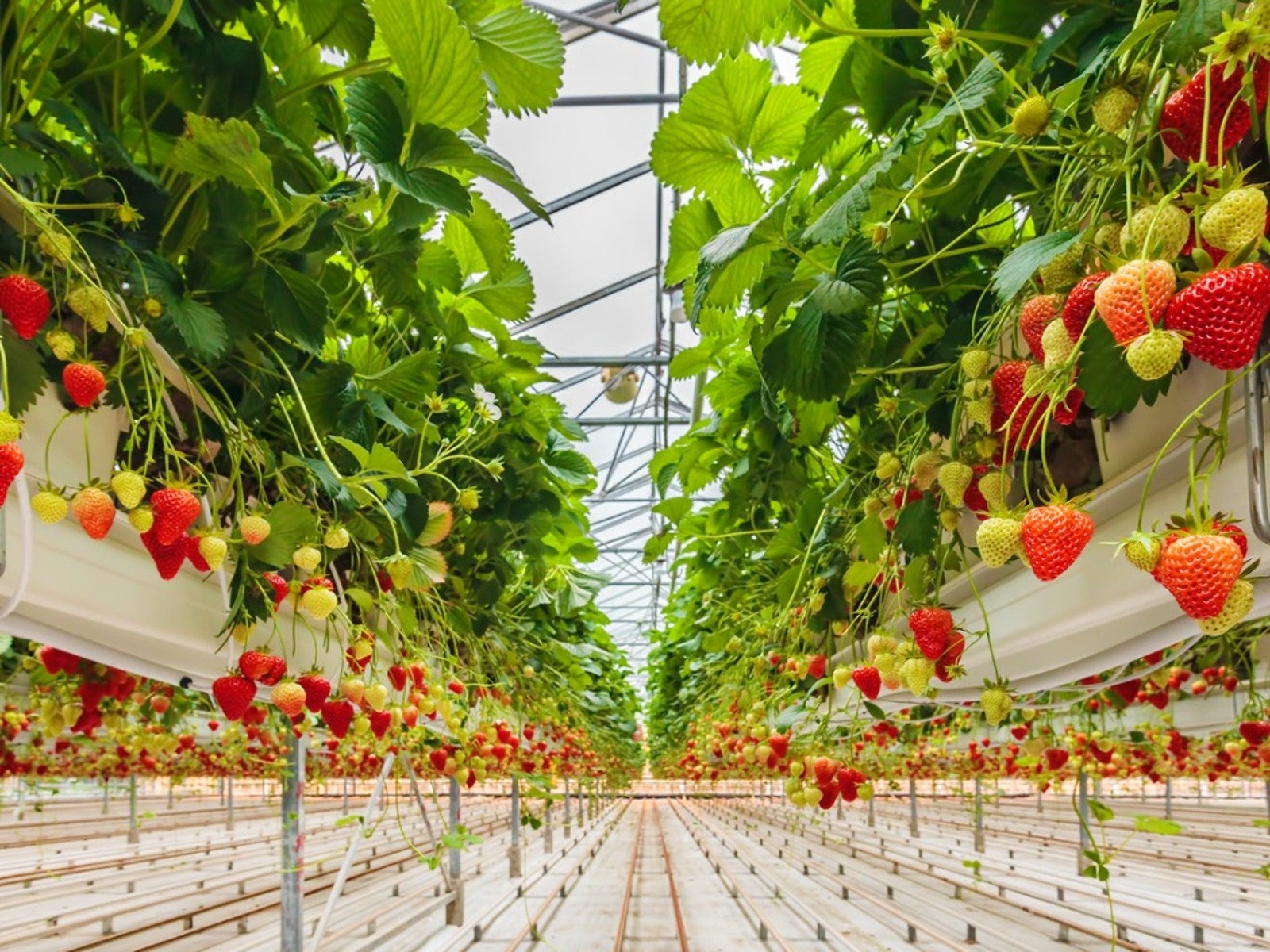
“Indoor Strawberry Farm And Hydroponic …” from www.gardeningknowhow.com and used with no modifications.
If you’re just starting your hydroponic journey, strawberries deserve the top spot on your growing list. These adaptable fruits thrive in water-based environments, producing sweet berries with minimal setup and maintenance. Their compact size and shallow root system make them perfect candidates for nearly any hydroponic system.
I’ve grown strawberries in everything from sophisticated nutrient film technique systems to simple floating rafts, and they’ve consistently performed well across the board. Their versatility makes them forgiving of beginner mistakes while still rewarding careful attention with abundant harvests.
Raspberries: Primocane Types Produce in First Year
Unlike traditional raspberry plants that need two years to fruit, primocane varieties produce berries in their first year of growth, making them ideal for hydroponics. Varieties like ‘Autumn Bliss’ and ‘Heritage’ thrive in larger hydroponic systems with ample vertical space for their canes. I’ve found that supporting these plants with a simple trellis system and maintaining higher potassium levels during fruiting significantly increases berry production. For best results, use a drip irrigation system that delivers nutrients directly to the root zone while keeping humidity levels moderate.
Blueberries: Special pH Requirements (4.0-5.0)
Blueberries stand out among hydroponic fruits for their strict pH requirements. Unlike most fruits that prefer a slightly acidic solution around 5.5-6.5, blueberries demand a much more acidic environment between 4.0-5.0 to thrive. Dwarf varieties like ‘Top Hat’ and ‘Northblue’ adapt well to container-style hydroponic systems. I’ve successfully grown these acid-lovers by using specialized hydroponic nutrients formulated for acid-loving plants and supplementing with diluted vinegar to maintain proper pH levels. The effort pays off with compact plants producing sweet berries that contain higher antioxidant levels than their soil-grown counterparts.
5 Exotic Fruits Worth Trying in Your Hydroponic Garden
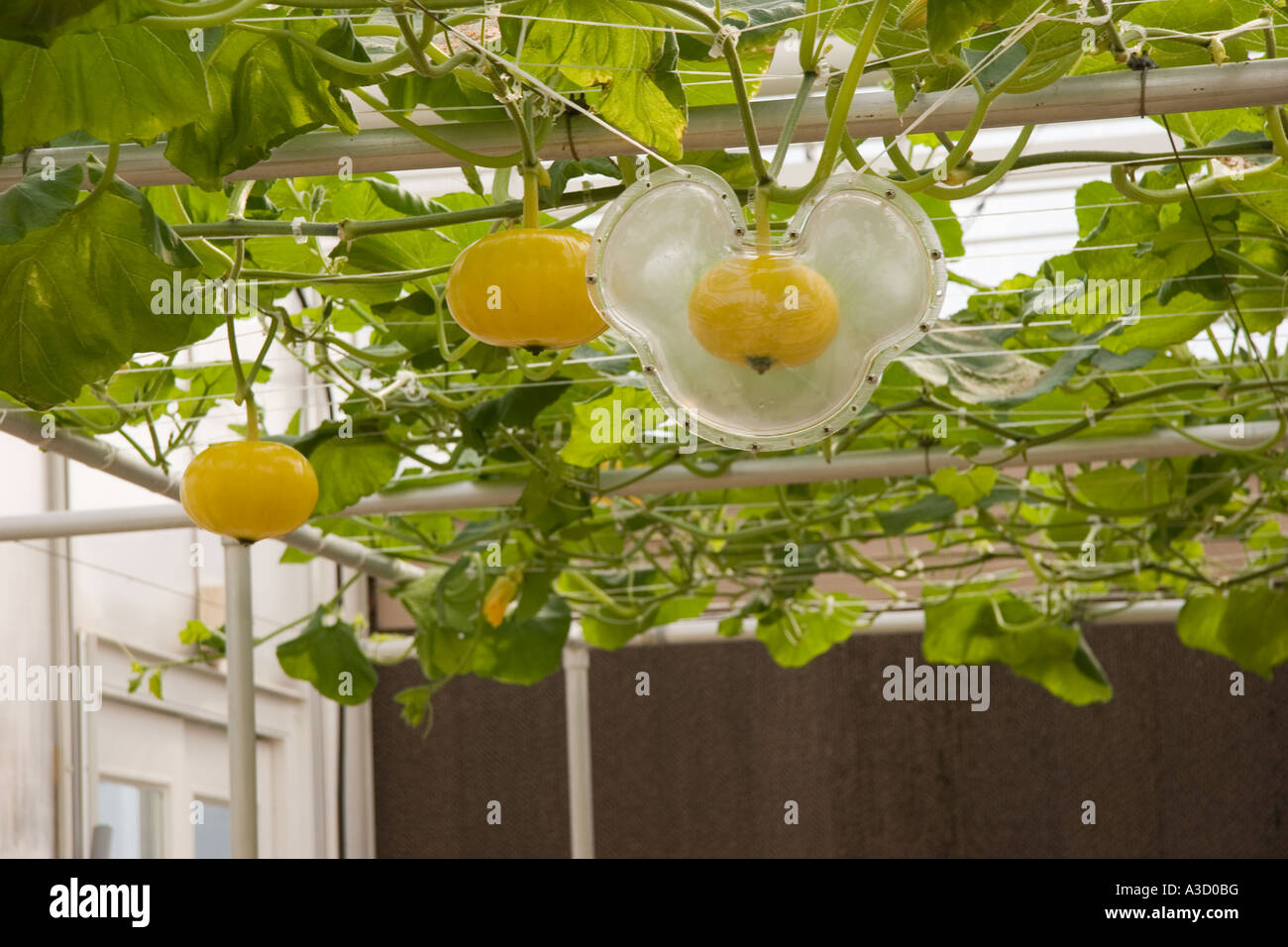
“Hydroponics Farming Fruit and …” from www.alamy.com and used with no modifications.
Once you’ve mastered the basics with strawberries and common berries, the world of exotic hydroponic fruits beckons with exciting possibilities. These unconventional choices require more technical knowledge and often larger systems, but they reward adventurous growers with unique harvests impossible to find in typical grocery stores. The following five exotics have proven successful in controlled hydroponic environments with the right care and system modifications. Each brings distinctive flavors and growing challenges that expand your hydroponic skillset while producing conversation-starting fruits. For more insights, check out this guide on hydroponic plants.
1. Dwarf Banana Plants
Contrary to popular belief, certain banana varieties can thrive hydroponically when provided with adequate space and nutrients. Dwarf cultivars like ‘Dwarf Cavendish’ and ‘Gran Nain’ grow to manageable heights of 5-7 feet while producing sweet, full-sized fruit. These tropical treasures require large Dutch bucket systems with heavy-duty support structures and high-intensity lighting. I’ve found success keeping solution temperatures around 75°F and maintaining elevated humidity levels of 60-70%. Patience is essential—expect 9-12 months from planting to harvest, but the reward of home-grown bananas makes the wait worthwhile.
2. Fig Trees in Dutch Buckets
Fig trees adapt surprisingly well to hydroponic cultivation when grown in spacious Dutch bucket systems that accommodate their vigorous root development. Varieties like ‘Brown Turkey’ and ‘Petite Negri’ perform exceptionally well, remaining compact while producing full-sized, sweet fruits. These Mediterranean natives thrive with slightly less frequent irrigation cycles than most hydroponic plants, preferring slight drying between waterings. I’ve discovered that inducing mild nutrient stress during fruit development enhances sweetness, though it requires careful monitoring to prevent actual deficiencies. With proper pruning to maintain manageable size, a single hydroponic fig tree can produce 20-30 fruits per season.
3. Passion Fruit on Trellis Systems
The exotic, aromatic passion fruit vines thrive in hydroponic trellis systems that accommodate their vigorous climbing nature. Varieties like ‘Possum Purple’ and ‘Panama Gold’ adapt well to soilless cultivation when given robust support structures and ample growing space. These tropical vines require excellent air circulation and benefit from hand pollination in indoor environments. I’ve achieved impressive results using coco coir as a medium in Dutch buckets with nutrient-rich solution formulated for flowering and fruiting. The key to success lies in providing strong vertical support—a single vine can reach 15 feet while producing dozens of exotic, flavorful fruits within a single growing season.
4. Dwarf Citrus (Lemon, Lime, Kumquat)
Dwarf citrus varieties bring Mediterranean sunshine to hydroponic systems with their bright fruits and glossy foliage. Varieties like ‘Improved Meyer Lemon’ and ‘Bearss Lime’ remain manageable in container-style hydroponic setups while producing full-flavored fruits. These acid-loving plants require careful pH management between 5.5-6.0 and benefit from calcium-rich nutrient solutions. I’ve found that citrus responds well to higher EC levels than most hydroponic fruits, tolerating readings up to 2.5 during active fruiting phases. The greatest challenge comes from their extended maturation period—expect 6-9 months from flower to ripe fruit—but the reward of fresh citrus harvested steps from your kitchen makes the wait worthwhile.
5. Cape Gooseberries
Cape gooseberries (Physalis peruviana) offer exotic flavor in a surprisingly adaptable package for hydroponic systems. These South American natives produce small, golden berries encased in papery husks with a unique tropical-pineapple flavor profile. The plants remain relatively compact at 2-3 feet tall while producing abundantly in NFT or Dutch bucket systems. I’ve had exceptional success maintaining slightly cooler nutrient solutions around 65-68°F and keeping EC levels moderate at 1.8-2.0. These resilient plants forgive minor fluctuations in growing conditions while rewarding consistent care with months of continuous harvests—a single plant can produce 300+ berries over its productive lifetime.
For exotic fruits, proper climate control becomes even more critical than with common varieties. Maintaining temperatures between 70-80°F during the day and no lower than 60°F at night creates the tropical conditions these specialties crave. Many exotic varieties benefit from supplemental CO₂ during active fruiting phases, which can increase yields by 15-30% when properly implemented.
When selecting exotic varieties, prioritize those labeled as “dwarf,” “compact,” or “container-suitable” to ensure they remain manageable in indoor systems. Even naturally large fruit plants have been bred for smaller growing spaces, making previously impossible hydroponic fruits accessible to home growers with limited space. The adventure of growing these unusual fruits creates both horticultural challenges and culinary opportunities unavailable to conventional gardeners.
Space-Hungry Hydroponic Fruits: Worth the Effort?
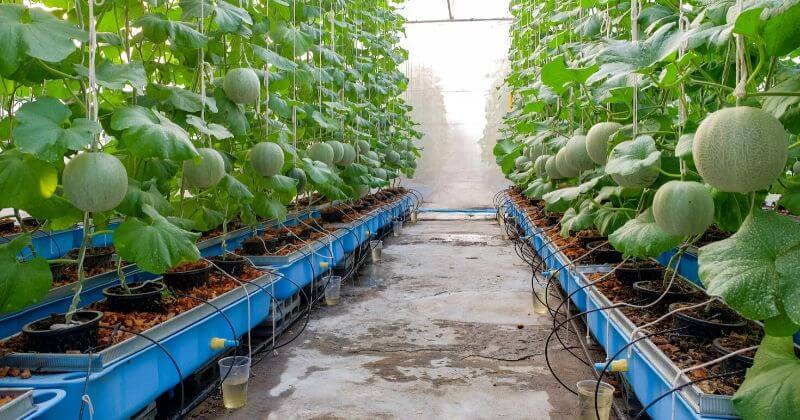
“Growing Hydroponic Trees – Can You Grow …” from www.gardeningchores.com and used with no modifications.
While many fruits adapt beautifully to compact hydroponic systems, some varieties demand substantial growing space that challenges indoor gardeners. These space-hungry options require careful consideration of available room, support structures, and potential yield before committing valuable hydroponic real estate. The question becomes whether their impressive harvests justify the spatial investment compared to more compact alternatives.
Despite their spatial demands, these larger fruits often produce spectacular harvests that smaller varieties simply cannot match. The decision ultimately depends on your specific goals—impressive showpiece fruits for special occasions or continuous harvests of smaller fruits for daily enjoyment. Both approaches have merit in the hydroponic garden, though beginners typically find greater success starting with less demanding options.
Watermelon and Cantaloupe Need Strong Support
The sweet reward of homegrown melons tempts many hydroponic gardeners, but their sprawling vines and heavy fruits present significant challenges in confined indoor spaces. Mini varieties like ‘Sugar Baby’ watermelon and ‘Minnesota Midget’ cantaloupe offer more manageable alternatives while still producing sweet, full-flavored fruits. These vining plants require sturdy mesh supports suspended horizontally to cradle developing fruits and prevent stem breakage. I’ve found that strong plastic crates positioned beneath developing melons provide crucial support while allowing air circulation that prevents rot.
Successful melon production demands meticulous nutrient management—particularly potassium and calcium—to develop proper sugar content and prevent blossom end rot. Even with compact varieties, expect vines to spread 4-6 feet, making them suitable only for larger hydroponic installations with dedicated growing space. The substantial spatial investment typically yields 2-4 fruits per plant over an extended growing season.

Grapes Require Extensive Trellising
Hydroponic grape cultivation offers the vintner’s art in miniature, producing sweet table grapes with specialized flavor profiles impossible to find commercially. Compact varieties like ‘Pixie’ and ‘Somerset Seedless’ adapt to container-style hydroponic systems while producing full-flavored fruit clusters on manageable vines. These woody perennials require sophisticated trellising systems to support their growth habit and specialized pruning knowledge to maximize fruit production in limited spaces.
I’ve achieved success with hydroponic grapes by implementing a modified Guyot training system adapted for vertical growing spaces. The primary challenge comes from their winter dormancy requirement—most varieties need a period of cooler temperatures (40-45°F) and reduced lighting to properly set fruit buds for the following season. This dormancy period complicates year-round growing facilities but rewards patient cultivators with unique fruits impossible to match in conventional hydroponic crops.
Solutions for Larger Fruiting Plants
Accommodating space-hungry fruits in hydroponic systems requires creative solutions that maximize vertical space while minimizing floor footprint. Vertical growing systems with integrated support structures allow vining plants to grow upward rather than outward, dramatically increasing yield per square foot. I’ve successfully implemented sliding trellis systems that can be adjusted as plants develop, providing customized support exactly where needed. For particularly heavy fruits like melons, supplementary sling supports made from stretchy fabric cradle developing fruits without restricting growth. Canopy management becomes crucial with these larger plants—strategic pruning to maintain airflow and light penetration ensures healthy development while preventing fungal issues common in dense growth. To explore more about fruit options for hydroponics, check out this discussion.
Matching Fruit Varieties to Your Hydroponic System Type
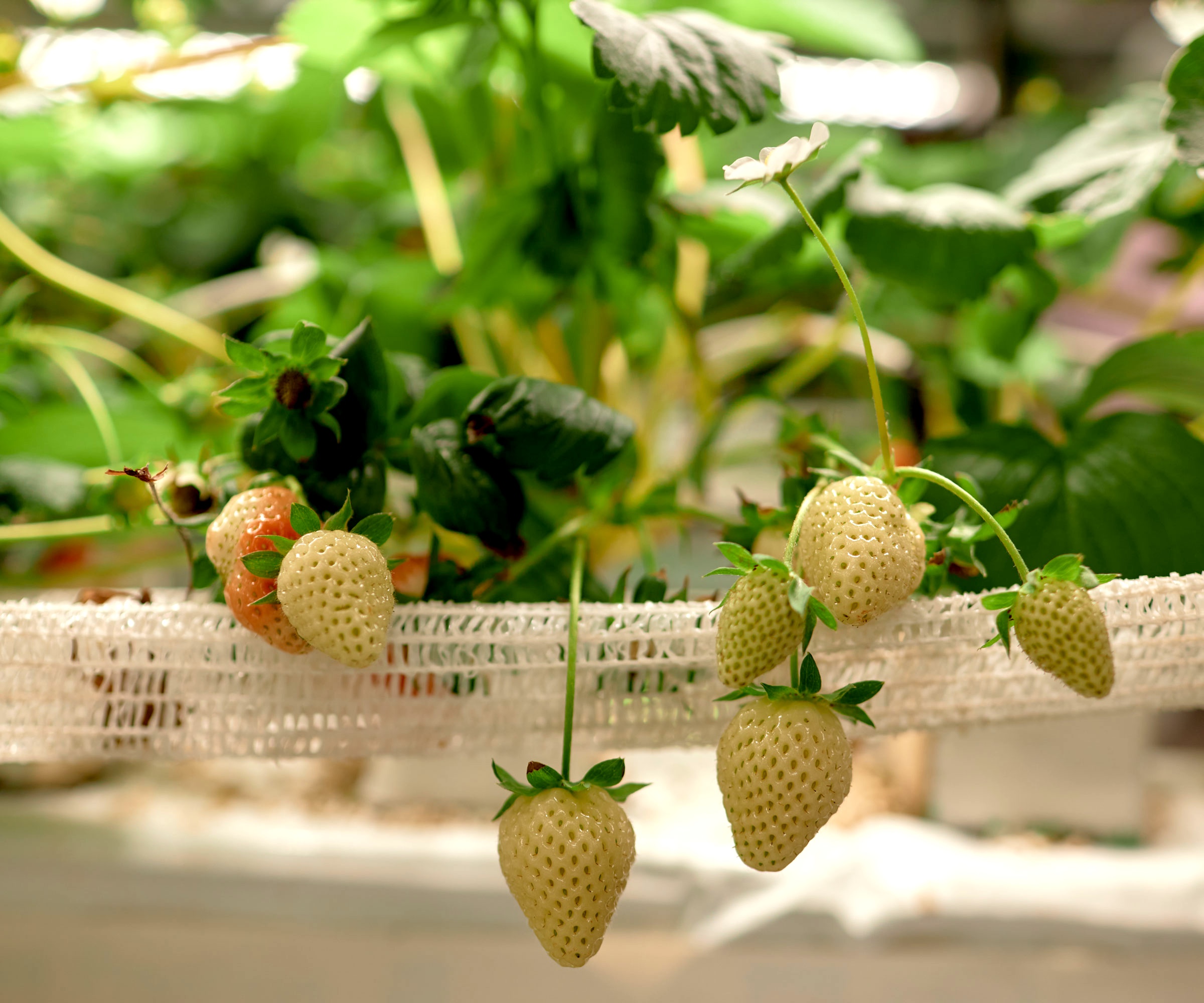
“How To Grow Hydroponic Strawberries For …” from www.gardeningknowhow.com and used with no modifications.
One of the most critical decisions in hydroponic fruit growing involves matching plant varieties to appropriate system types. Different fruits have distinct root structures, nutrient needs, and growth habits that thrive in specific hydroponic environments. The most successful harvests come when system architecture complements the natural growing patterns of your chosen fruits. This strategic pairing minimizes stress on plants while maximizing production efficiency and fruit quality. Understanding these relationships allows you to either select ideal plants for your existing system or build customized setups for specific fruit varieties.
What Thrives in NFT Systems
Nutrient Film Technique (NFT) systems excel with shallow-rooted fruits that don’t require extensive anchoring. Strawberries reign supreme in these channels, with day-neutral varieties like ‘Seascape’ and ‘Albion’ producing continual harvests throughout the growing season. The shallow flowing nutrient solution provides ideal conditions for strawberry’s fibrous root systems while preventing root zone saturation that can lead to disease. Alpine strawberries (Fragaria vesca) offer another excellent NFT option, producing small, intensely flavored berries on compact plants perfect for channel spacing. I’ve found that maintaining slightly cooler solution temperatures around 65-68°F in NFT systems significantly extends strawberry production seasons while enhancing flavor development.
Deep Water Culture Favorites
Deep Water Culture (DWC) systems provide exceptional oxygen to root zones, making them ideal for heavy-feeding fruits with extensive root systems. Indeterminate cherry tomatoes like ‘Sungold’ and ‘Sweet Million’ thrive in DWC buckets, developing massive root structures that support months of continuous production. These systems accommodate the substantial nutrient demands of fruiting plants while providing crucial root zone cooling during peak summer temperatures. I’ve consistently achieved remarkable yields by maintaining water temperatures between 68-72°F and supplementing with beneficial microbes that suppress pathogenic organisms in the reservoir. DWC systems also excel with compact pepper varieties, supporting their heavy nutrient requirements while providing stable root environments that prevent stress-related issues like blossom drop.

Drip System All-Stars
Drip systems shine with fruits that benefit from consistent moisture but need excellent drainage. Blackberries and raspberries thrive in these systems, with their precise nutrient delivery supporting robust cane development and sweet berry production. The controlled feeding approach prevents the root zone saturation that often plagues cane berries in other hydroponic setups. I’ve found that using coco coir as a medium in drip systems provides ideal moisture retention while maintaining necessary aeration for these berries’ extensive root systems. Fig trees and dwarf citrus also perform exceptionally well under drip irrigation, appreciating the regular but measured nutrient delivery that prevents both drought stress and oversaturation.
Ebb and Flow Winners
The rhythmic flooding and draining of ebb and flow systems creates ideal conditions for fruits that benefit from slight root zone drying between waterings. Blueberries and Cape gooseberries excel in this environment, developing stronger root structures and often producing more flavorful fruits than in constantly wet systems. The periodic drying cycles help prevent root diseases while still providing abundant nutrients during flooding phases. Dwarf melons also perform surprisingly well in ebb and flow systems when provided with appropriate support structures. The water level fluctuations strengthen stem development, producing more robust plants capable of supporting heavier fruit loads. For best results, I recommend using expanded clay pellets or perlite-based media that drain effectively while providing good anchoring for fruit-bearing plants.
Common Hydroponic Fruit Problems and Solutions

“Hydroponics Taste and Nutrition: Does …” from en.mygreengrowers.com and used with no modifications.
Even the most meticulously maintained hydroponic gardens encounter challenges, particularly when growing fruits that have complex nutritional and environmental needs. Understanding these common problems—and their solutions—can mean the difference between disappointing failures and abundant harvests. Most issues stem from imbalances in the growing environment that can be corrected once properly identified. The good news is that hydroponic systems allow for rapid corrections that would take weeks or months in soil-based gardens. With proper monitoring and timely interventions, most fruit-growing challenges can be overcome without compromising your harvest.
Nutrient Solution Formulas for Fruiting Plants
Fruiting plants have dramatically different nutrient requirements than leafy greens, demanding specialized formulations that change throughout their growth cycle. During vegetative growth, nitrogen takes priority, supporting lush foliage development that will eventually fuel fruit production. As plants transition to flowering, phosphorus becomes crucial for proper bloom development and pollination success. During fruit development and ripening, potassium takes center stage, enhancing sweetness, color development, and overall fruit quality.
I’ve found that maintaining an NPK ratio of roughly 3-1-3 during vegetative growth, transitioning to 1-2-3 during flowering, and finally shifting to 1-1-4 during fruiting produces optimal results across most hydroponic fruit varieties. Calcium supplementation becomes particularly important during active fruiting to prevent blossom end rot in tomatoes and similar disorders in other fruits. Magnesium often needs boosting as well, as heavy-fruiting plants can quickly deplete this critical element, leading to yellowing lower leaves and reduced photosynthetic efficiency.
Micronutrient management deserves special attention with fruiting plants. Iron deficiencies frequently appear in strawberries and blueberries, manifesting as yellowing between leaf veins while the veins remain green. Boron plays a critical role in pollination success and fruit development across all species, with even minor deficiencies causing misshapen fruits and poor seed development. Regular testing of both solution pH and electrical conductivity (EC) provides essential feedback, allowing adjustments before plants show stress symptoms.
Fruit-Specific Nutrient Adjustments
Strawberries: Increase calcium during fruiting; maintain pH 5.8-6.2; keep EC between 1.0-1.4
Tomatoes: Higher potassium during ripening; pH 5.5-6.5; EC 2.0-3.5 for cherry varieties
Blueberries: Lower pH (4.0-5.0); higher iron requirements; EC 1.5-2.0
Raspberries: Extra calcium and magnesium; pH 5.8-6.5; EC 1.8-2.2
Melons: Increase sulfur for sweetness; pH 5.5-6.0; EC 1.8-2.4
Temperature Management for Flowering and Fruiting
Temperature control becomes particularly crucial during the flowering and fruiting stages of hydroponic fruit production. Most fruiting plants experience pollination failures when temperatures exceed 90°F or drop below 55°F, regardless of how healthy the plants appear otherwise. The ideal temperature range for most fruiting processes falls between 70-80°F during daylight hours with a 5-10°F drop during night periods. This day-night temperature differential (known as DIF) triggers hormone responses that enhance flowering and fruit set. I’ve found that maintaining solution temperatures slightly lower than ambient air—typically around 68°F—significantly improves nutrient uptake while reducing root zone stress. Cooling systems become essential during summer months, as overheated nutrient solutions quickly lose dissolved oxygen, leading to root suffocation and potential pathogen outbreaks that can devastate fruit crops within days.
Pollination Methods for Indoor Gardens
Unlike leafy crops, fruits require successful pollination to develop properly—a process naturally handled by insects and wind in outdoor environments. In hydroponic systems, this critical step becomes the grower’s responsibility. For self-pollinating fruits like tomatoes and strawberries, gently shaking plants during mid-morning hours effectively distributes pollen within flowers. I’ve found that using a small rechargeable toothbrush pressed against stem clusters creates ideal vibrations that mimic a bee’s wing beats, dramatically improving pollination rates in these crops.
For plants requiring cross-pollination, such as melons and squash, more direct intervention becomes necessary. Using a small artist’s paintbrush to transfer pollen between male and female flowers yields the best results when performed during the morning hours when pollen is most viable. Identifying male flowers (those without tiny fruit formations behind the bloom) and female flowers (showing miniature fruit structures) becomes an essential skill for successful hydroponic fruit production. Some growers introduce small populations of bumblebees into larger growing spaces, though this requires careful management of any pest control measures to protect these beneficial insects.
Preventing Root Disease in Fruit-Bearing Plants
Fruit-bearing plants typically remain in hydroponic systems significantly longer than leafy crops, making root health maintenance particularly challenging yet crucial for sustained production. Pythium and Phytophthora species represent the most common pathogens affecting hydroponic roots, thriving in oxygen-depleted solutions with temperatures above 75°F. Prevention starts with rigorous system hygiene—I thoroughly clean all components between crop cycles using food-grade hydrogen peroxide solutions that eliminate pathogens without leaving harmful residues. During active growing, maintaining dissolved oxygen levels above 6ppm provides a first line of defense, as these pathogens struggle to establish in oxygen-rich environments. Incorporating beneficial microorganisms like Bacillus subtilis and Trichoderma species creates competitive exclusion that further suppresses pathogen development. For systems particularly prone to root issues, periodic treatments with food-safe antimicrobials like hypochlorous acid or stabilized hydrogen peroxide products maintain root zone health without compromising fruit safety or quality.
Start Your Hydroponic Fruit Journey Today
The path to enjoying homegrown hydroponic fruits begins with a single step—choosing the right system and varieties for your space and experience level. Start with forgiving favorites like strawberries or cherry tomatoes that provide quick rewards while you master the fundamentals of hydroponic fruit production. As your confidence grows, explore more exotic options that bring unique flavors to your table impossible to find in commercial produce. Remember that each challenge overcome not only improves your current harvest but builds valuable skills for future growing seasons. With each cycle, your system becomes more refined, your plant selection more tailored to your preferences, and your harvests more abundant. For personalized guidance on setting up your ideal hydroponic fruit garden, Fork Farms offers consultation services that help match your specific situation with proven growing methods for year-round harvests.
Frequently Asked Questions
As hydroponic fruit growing continues gaining popularity, certain questions arise consistently among both beginners and experienced growers. The following answers address the most common concerns, providing practical guidance based on proven techniques rather than theoretical ideals. These responses reflect real-world experience with various hydroponic systems and fruit varieties, acknowledging the challenges while offering workable solutions.
While books and online resources provide valuable information, nothing replaces hands-on experience and the willingness to learn from both successes and occasional failures. The questions below represent the starting point for many hydroponic fruit journeys, with each answer designed to build confidence through practical knowledge.
How long does it take for hydroponic strawberries to produce fruit?
Hydroponic strawberries typically begin producing fruit 8-10 weeks after planting when using established runners or plugs. Day-neutral varieties like ‘Albion’ and ‘Seascape’ will continue producing for 4-6 months under ideal conditions, with peak harvests occurring 3-4 months after planting. The timeline accelerates considerably compared to soil growing, where plants might take 12-16 weeks to reach full production. Starting from seed extends this timeline significantly, adding 6-8 weeks before transplanting seedlings into the hydroponic system. For continuous harvests, I recommend staggering plantings every 4-6 weeks, allowing new plants to reach productivity as older plants begin declining in output. With proper care and disease prevention, a well-maintained hydroponic strawberry system can produce nearly year-round with appropriate variety selection.
Do hydroponic fruits taste different from soil-grown ones?
Hydroponic fruits often develop superior flavor profiles compared to commercially grown soil counterparts due to precise control over growing conditions and nutrition. The ability to optimize sugar development through strategic nutrient adjustments and stress management allows for extraordinary sweetness and complexity impossible in commercial field production. Blind taste tests consistently rank properly grown hydroponic strawberries and tomatoes higher than supermarket equivalents, particularly in winter months when store-bought alternatives travel thousands of miles before reaching consumers. The flavor advantage becomes most pronounced in varieties selected specifically for taste rather than shipping durability, allowing home hydroponic gardeners to grow delicate, aromatic fruits that would never survive commercial distribution channels. The perception that hydroponic fruits lack flavor stems primarily from early commercial operations that prioritized appearance over taste—a compromise unnecessary in home systems where perfect flavor, not shelf life, becomes the primary goal.
Can I grow tree fruits like apples or peaches hydroponically?
Tree fruits can be grown hydroponically, but they present significant challenges that make them impractical for most home systems. Dwarf and super-dwarf apple varieties on M27 rootstock can be maintained in large Dutch bucket systems, but they require artificial chilling periods (1,000+ hours below 45°F) to set fruit properly. These cold requirements make them difficult to accommodate in year-round growing operations unless separate chilling facilities are available.
Stone fruits like peaches face similar chilling requirements while also needing extensive structural support and frequent pruning to remain manageable in indoor environments. The spatial investment and specialized conditions these trees demand rarely justify the limited yields they produce in hydroponic settings. A single dwarf apple tree might require 10-15 square feet of growing space while producing just 8-15 fruits annually in a hydroponic system.
For those determined to grow tree fruits hydroponically, container-adapted varieties like ‘Garden Prince’ almond or ‘Honey Babe’ peach offer the best chance of success when grown in large Dutch bucket systems with specialized nutrient formulations. These projects should be approached as experimental rather than production-focused, with modest harvest expectations and emphasis on the horticultural challenge rather than yield efficiency.
What lighting is best for fruiting hydroponic plants?
Fruiting plants have substantially higher light requirements than leafy crops, demanding both intensity and appropriate spectral distribution for successful flowering and fruit development. Full-spectrum LED fixtures with adjustable output have become the gold standard for hydroponic fruit production, providing energy efficiency while delivering the precise light qualities needed throughout growth cycles. For optimal results, fruiting plants typically require PPFD (Photosynthetic Photon Flux Density) values between 600-900 μmol/m²/s during peak production phases—roughly double the requirements of leafy greens. Modern horticultural LED systems with enhanced red (660nm) and blue (450nm) wavelengths support both vegetative growth and flowering processes while specialized far-red supplements (730nm) can enhance fruit set in challenging varieties.
I’ve achieved exceptional results using LED fixtures with programmable spectrum control that shifts from blue-dominant lighting during vegetative growth to red-enhanced output during flowering and fruiting. This mimics natural seasonal light changes while optimizing energy usage. Photoperiod management becomes equally important, with most fruiting plants performing best under 14-16 hour light cycles during active growth phases. Some fruiting plants, particularly day-neutral strawberry varieties, benefit from distinct dark periods that trigger hormonal processes supporting flower development. For growers on limited budgets, high-output LED shop lights can provide adequate results when positioned appropriately, though dedicated horticultural fixtures ultimately deliver superior performance for serious fruit production.
How often should I change the nutrient solution for fruiting plants?
Fruiting plants deplete nutrients more rapidly and selectively than leafy crops, requiring more frequent solution management to maintain optimal growing conditions. For small to medium systems, I recommend a complete solution change every 7-10 days during active fruiting phases, with EC and pH adjustments performed between changes as needed. Larger reservoir systems (50+ gallons) can often extend to 14-day change intervals when properly monitored and supplemented. Rather than simply topping off with fresh solution, measure and adjust specific elements that become depleted—typically potassium, calcium, and magnesium during heavy fruiting. Modern nutrient monitoring systems allow targeted supplementation of individual elements, extending solution life while maintaining precise nutritional balance.
Between full changes, daily monitoring becomes essential, as fruiting plants can shift their uptake patterns dramatically based on temperature, light levels, and fruiting stage. pH typically drifts upward during active fruiting as plants preferentially absorb negatively charged ions, requiring regular downward adjustment to maintain optimal nutrient availability. Water temperature management plays a crucial role in solution longevity—maintaining temperatures between 65-68°F significantly slows biological activity that can degrade nutrients while preserving dissolved oxygen levels essential for healthy root function.
The ultimate guide for solution changes comes from carefully observing plant performance rather than rigid schedules. Early signs of nutrient imbalance include subtle leaf color changes, flower drop, or slowed fruit development—all indicators that solution adjustment or replacement should occur regardless of calendar timing. By developing this observational skill, you’ll create a management approach tailored to your specific system and fruit varieties, maximizing both quality and yield while minimizing unnecessary maintenance.