Growing Carrots in Hydroponics: Everything You Need to Know

Introduction
Imagine harvesting fresh, crisp carrots year-round without soil. With hydroponics, this is not just possible, but easier than you think! Hydroponic systems allow you to grow carrots much faster and you can grow them indoors. This is the perfect answer for those of us that just don’t have the outside space required to grow a traditional soil based garden. Welcome to our comprehensive guide to growing hydroponic carrots. In this article, we will cover everything you need to know about cultivating carrots using hydroponic methods. From selecting the right hydroponic system to troubleshooting common issues, we’ve got you covered. Let’s dive in and explore the fascinating world of hydroponic carrot cultivation.
What are Hydroponic Carrots?
Hydroponic carrots are carrots that are grown without soil, using a nutrient-rich water solution to support their growth. This innovative method of cultivation allows for precise control over the growing conditions, leading to healthy, vibrant carrots with minimal space requirements. Hydroponic carrots are an excellent choice for urban gardeners, commercial growers, and anyone interested in sustainable, soilless agriculture.
- Benefits of Hydroponic Carrots:
- Enhanced nutrient uptake resulting in healthier carrots
- Space-efficient growth, ideal for urban settings
- Water conservation due to efficient nutrient delivery
Hydroponic carrots offer numerous benefits over traditional soil cultivation. By utilizing hydroponic systems, growers can fine-tune the growing conditions to optimize carrot growth and health. The controlled environment minimizes the risk of soilborne diseases and pests.

Choosing the Right Hydroponic System for Carrots
When it comes to growing hydroponic carrots, selecting the right hydroponic system is crucial. There are various types of hydroponic systems, including:
- Deep Water Culture (DWC)
- Nutrient Film Technique (NFT)
- Drip System
Each of these systems offers unique advantages for carrot cultivation. Let’s delve deeper into the considerations for choosing the ideal hydroponic system for growing carrots. Factors such as space availability, maintenance requirements, and environmental conditions play a significant role in determining the most suitable hydroponic system for growing carrots:
- Space Availability: The available space will dictate which hydroponic system is most feasible for carrot cultivation. For instance, a Nutrient Film Technique (NFT) system is well-suited for smaller spaces due to its compact design.
- Maintenance Requirements: Different hydroponic systems have varying maintenance needs. For example, a Drip System may require more frequent monitoring and adjustments compared to a Deep Water Culture (DWC) system.
- Environmental Conditions: Considerations such as temperature, humidity, and light availability will influence the choice of hydroponic system. Certain systems may be better suited for specific environmental conditions, ensuring optimal growth for hydroponic carrots.
| System | Suitability | Pros | Cons |
|---|---|---|---|
| Wick | Not Recommended | Simple, low cost | Insufficient for deep roots |
| DWC (Deep Water Culture) | Not Recommended | Constant water access | High risk of root rot |
| NFT (Nutrient Film Technique) | Limited Use | Works for mini carrots | Poor root support |
| Drip System | Best | Provides moisture control | Requires monitoring |
| Ebb & Flow | Best | Good root aeration | Moderate maintenance |
By carefully evaluating these factors, hydroponic growers can make an informed decision when selecting the most suitable system for cultivating carrots hydroponically.
Selecting Carrot Varieties for Hydroponic Growth
When selecting carrot varieties for hydroponic growth, it’s essential to choose varieties that are well-suited to this cultivation method. Certain types of carrots, such as Nantes, Chantenay, and Mini Round, thrive in hydroponic environments, offering great taste and nutritional value. Understanding the characteristics of each variety and their adaptability to hydroponic systems is key to successful carrot cultivation.
| Carrot Variety | Best For | Average Length |
|---|---|---|
| Nantes | General Hydroponics | 6-7 inches |
| Chantenay | Compact spaces | 5-6 inches |
| Mini Round | Small hydroponic setups | 2-3 inches |
| Imperator | Not Ideal (requires deep roots) | 10-12 inches |
Preparing the Hydroponic Environment for Carrots
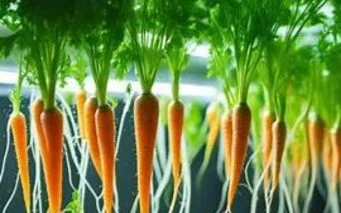
Creating an optimal hydroponic environment for carrots involves meticulous attention to several important factors:
- pH Levels: Carrots thrive in a slightly acidic pH range of 5.8 to 6.3. Maintaining the correct pH levels is critical for nutrient uptake and overall plant health.
- Nutrient Concentrations: The hydroponic solution should contain a balanced mix of essential nutrients, including nitrogen, phosphorus, potassium, and micronutrients. Careful monitoring and adjustment of nutrient concentrations are necessary for healthy carrot growth.
- Light Exposure: Carrots require adequate light exposure for photosynthesis. Providing the right spectrum and intensity of light, especially during the root development stage, is crucial for optimal growth.
In addition to these factors, the hydroponic setup must ensure:
- Root Growth Support: The system should provide ample room and structural support for the carrots’ root development, allowing them to access nutrients and water efficiently.
- Clean and Ventilated Environment: Maintaining a clean, well-ventilated environment is crucial for preventing the buildup of pathogens and diseases that can affect the hydroponic carrot crop.
How To Grow Hydroponic Carrots
🌱 Step 1: Choose the Right Carrot Variety
Not all carrots grow well in hydroponics. Choose shorter, compact varieties that require less depth. Best options:
✔️ Nantes – Cylindrical, sweet, easy to grow
✔️ Chantenay – Short, thick roots, perfect for small systems
✔️ Mini Round – Great for shallow hydroponic setups
❌ Avoid Imperator Carrots (they need deep soil)
💦 Step 2: Select the Best Hydroponic System
Carrots require a media-based system for root support. Best choices:
✅ Drip System – Consistent moisture, good oxygenation
✅ Ebb & Flow (Flood & Drain) – Good balance of nutrients and aeration
❌ Avoid DWC & Kratky – Roots will rot due to excessive water exposure
System Depth Requirement:
- Your grow tray must be at least 12 inches deep to allow proper root development.
🌡️ Step 3: Prepare the Ideal Growing Conditions
Carrots thrive under specific conditions:
| Factor | Ideal Range |
|---|---|
| pH Level | 6.0 – 6.5 |
| EC Level | 1.6 – 2.0 |
| Temperature | 60-75°F (15-24°C) |
| Light | 12-16 hours per day |
| Humidity | 40-60% |
| Spacing | 3 inches apart |
🛠️ Step 4: Set Up the Growing Medium
Carrots need a light, well-aerated medium to grow straight and healthy. Best options:
✔️ Perlite + Vermiculite (2:1 mix) – Excellent drainage & aeration
✔️ Coco Coir – Retains moisture well, great for carrots
✔️ Rockwool Cubes – Can be used for germination
🔴 Avoid heavy or compacted mediums like clay pebbles—they’ll distort root growth.
🌱 Step 5: Germinate the Carrot Seeds
Since carrots don’t transplant well, start them directly in the system:
1️⃣ Moisten the medium (but don’t oversaturate).
2️⃣ Plant seeds ½ inch deep into the growing medium.
3️⃣ Cover lightly and keep in a warm, humid area (~65°F).
4️⃣ Mist daily to keep the seeds moist.
5️⃣ Wait for germination – usually takes 6-10 days.
🌿 Step 6: Thinning the Seedlings
Carrots need proper spacing to grow straight and avoid deformation:
✅ Once seedlings are 2 inches tall, thin them out.
✅ Keep the strongest plants, spacing them at least 3 inches apart.
✅ Pull directly upward when thinning to avoid disturbing the roots.
🪴 Step 7: Nutrient Solution & Growth Maintenance
Once seedlings are established, adjust nutrients gradually:
✅ Start with a diluted hydroponic nutrient solution (root vegetables blend is best).
✅ Monitor pH (6.0-6.5) and EC levels (1.6-2.0) weekly.
✅ Increase nutrient strength after 2 weeks for proper root formation.
✅ Ensure proper oxygenation to prevent root rot (use an air pump if needed).
✅ Maintain a consistent temperature (too hot = woody carrots, too cold = slow growth).
💡 Step 8: Provide Proper Lighting
Carrots require 12-16 hours of light daily for optimal growth.
✔️ Use LED grow lights (full spectrum) if growing indoors.
✔️ Place lights 12-18 inches above plants.
✔️ Ensure dark periods (8 hours minimum) to avoid plant stress.
🔍 Step 9: Monitor & Troubleshoot Growth Issues
Watch for these common hydroponic carrot problems:
| Issue | Symptoms | Solution |
|---|---|---|
| Root Rot | Wilting, dark mushy roots | Improve drainage, increase aeration |
| Forked/Deformed Carrots | Twisted, misshaped roots | Space plants properly, use loose growing medium |
| Slow Growth | Small, stunted carrots | Check EC levels, adjust nutrients |
| Yellowing Leaves | Nutrient deficiency | Increase nitrogen in solution |
🧑🌾 Step 10: Harvesting Hydroponic Carrots
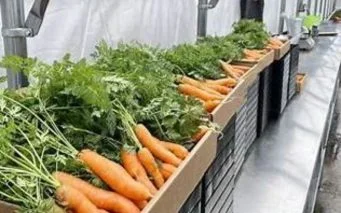
🔹 When Are They Ready?
- 60-80 days after planting (varies by variety).
- Carrot tops should be 1 inch in diameter.
- Green tops start to droop slightly when fully mature.
🔹 How to Harvest Without Damage:
✅ Loosen the growing medium before pulling.
✅ Grip the carrot at the base of the greens and pull straight up.
✅ If the carrot is stuck, moisten the medium and try again.
🔹 Storage Tips:
- Cut greens 1 inch above the carrot to prevent moisture loss.
- Store in the fridge for 2-3 weeks or freeze for long-term storage.
🥕 Bonus Tips for Success
✔️ Test your system depth first! Grow a few trial carrots to see if they grow straight.
✔️ Keep humidity stable – Too much moisture = risk of fungus, too little = dry roots.
✔️ Use a root vegetable-specific nutrient mix for best results.
✔️ Rotate crops – Don’t grow carrots in the same hydroponic setup repeatedly without sterilizing.
🚀 Follow these steps, and you’ll be harvesting fresh, perfectly grown hydroponic carrots in no time! Happy growing! 🌿💧
Companion Plants For Carrots
Companion planting with carrots can help improve their growth, deter pests, and save space in your garden. Here are some plants that make good companions for carrots:
- Tomatoes: Tomatoes repel carrot flies and can provide shade in hotter climates, which carrots appreciate as they prefer cooler soil.
- Onions and Garlic: The strong smells of onions and garlic can deter carrot flies and other pests from bothering the carrots.
- Leeks: Similarly to onions, leeks can help repel carrot flies.
- Lettuce: Lettuce has shallow roots and grows quickly, making it an ideal companion to the deeper-rooted carrots. They also help keep the soil moist and cool, which benefits carrots.
- Radishes: Radishes are quick-growing and can be harvested before the carrots need more space. They also help to loosen the soil, making it easier for carrot roots to grow.
- Chives and Rosemary: These herbs help repel pests that might otherwise be attracted to carrots.
- Peas: Peas enrich the soil with nitrogen, a nutrient that carrots need to grow well.
It’s also good to be aware of plants that should not be grown near carrots, such as dill and parsnips, as they can inhibit carrot growth or attract pests.
Harvesting Hydroponic Carrots
Harvesting hydroponic carrots is simple, but getting it right ensures maximum flavor, texture, and yield. Follow these key steps:
1. Know When They’re Ready ⏳
- Time to Maturity: Most hydroponic carrots are ready in 60-80 days (varies by variety).
- Size Check: Gently brush away the growing medium to check the top of the carrot. If it’s about 1 inch (2.5 cm) wide, it’s ready!
- Leafy Clues: Lush, full green tops signal a mature root. Yellowing or wilting leaves may indicate overripeness.
2. How to Harvest Without Damage 🏗️
- Gently Loosen the Medium: Use your fingers to softly move perlite, coco coir, or vermiculite around the root.
- Grip & Pull Slowly: Hold the carrot firmly at the base (near the greens) and pull straight up to avoid breaking it.
- If Stuck, Use Water: Lightly moisten the growing medium before pulling to make extraction easier.
3. Post-Harvest Care for Best Freshness 🌱
- Trim the Greens: Cut off the green tops 1 inch (2.5 cm) above the carrot—this stops moisture loss.
- Rinse Gently: Wash off any residual growing medium with cool water.
- Storage Options:
- Fridge: Store in an airtight container for 2-3 weeks.
- Root Cellar: Keep in damp sand for months.
- Freeze: Blanch, then freeze for long-term use.
4. Bonus Tip for Sweeter Carrots 🍯
- If possible, chill carrots for a few days before eating—this enhances their sweetness as sugars develop!
Enjoy your crisp, fresh hydroponic carrots! 🚀🥕
Monitoring and Maintaining Hydroponic Carrot Growth
Monitoring and maintaining carrot growth in a hydroponic system requires a keen eye and regular attention to ensure optimal conditions. Carrots thrive in a well-balanced nutrient solution, which should be checked weekly for proper pH levels, typically between 6.0 and 6.5, and adjusted as necessary. Regular monitoring of the electrical conductivity (EC) can also indicate if the nutrient concentration is appropriate. Temperature is another critical factor; maintaining a consistent temperature around 65-75°F encourages healthy growth. Additionally, ensure that the carrots receive ample light, ideally 12-16 hours per day, which can be provided by grow lights if natural sunlight is insufficient. Finally, inspect the roots periodically for signs of disease or pests and ensure the water is clean and well-oxygenated to prevent issues. With these steps, you can enjoy a bountiful harvest of hydroponic carrots.
Common Issues and Troubleshooting in Hydroponic Carrot Growth
- Nutrient Deficiencies
- Root Diseases
- Environmental Imbalances
Hydroponic carrot cultivation comes with its own set of challenges, and understanding common issues is crucial for successful growth. Here’s an in-depth look at the potential problems and troubleshooting methods:
- Nutrient Deficiencies: One common issue in hydroponic carrot growth is nutrient deficiencies, especially with essential elements like nitrogen, phosphorus, and potassium. These deficiencies can manifest as stunted growth, yellowing leaves, or poor root development. To prevent and address nutrient deficiencies, growers should closely monitor the nutrient solution, adjust the nutrient concentrations, and ensure proper pH levels.
- Root Diseases: Carrots in hydroponic systems are susceptible to various root diseases, including rot and mold infestations. Maintaining proper hygiene, using sterilized growing media, and implementing a proactive disease management strategy can help prevent and control root diseases.
- Environmental Imbalances: Fluctuations in temperature, humidity, and light exposure can lead to environmental imbalances in hydroponic carrot cultivation. These imbalances can impact plant growth and overall health. Growers should invest in reliable environmental control systems, provide adequate ventilation, and monitor and adjust environmental conditions to maintain an optimal growing environment for carrots.
Conclusion
Cultivating hydroponic carrots presents an exciting opportunity to explore innovative agricultural practices and enjoy the benefits of fresh, homegrown produce. By carefully selecting the right hydroponic system, varieties, and companion plants, and maintaining optimal growing conditions, growers can experience the satisfaction of successfully nurturing vibrant, flavorful carrots in a soilless environment. Embracing the principles of hydroponic agriculture opens doors to sustainable, space-efficient gardening and contributes to the advancement of modern urban farming.